
https://www.gosh.nhs.uk/news/young-voices-research/
Young Voices in Research
27 Feb 2020, 11:27 a.m.

Great Ormond Street Hospital (GOSH) and The Institute of Child Health (ICH) were delighted to hold the first ‘Young Voices in Research’ event on Thursday 20 February, inviting members of the GOSH Young People’s Forum (YPF) and current GOSH patients to share their ideas and thoughts on how children and young people can be better involved in research.
The day saw these young people take part in a series of focus groups with research and clinical colleagues from GOSH and ICH. A ‘carousel’ approach was used, whereby small teams of young people rotated between different focus groups covering a range of topics relating to different stages of the research process: invitation & engagement, design, consultation and sharing findings.
As a thank you for their hard work and idea sharing, attendees were treated to visits from therapy dogs plus a performance from magician and member of the magic circle, Shyam Joshi.
Explaining why putting young people in the centre of research decisions is key, Mandy Bryan, Head of Psychological Services at GOSH, says “‘Without children and young people participating in research, all the amazing and life-changing treatments from GOSH would be impossible. Often children and young people selflessly consent to being involved in research even though they won’t benefit personally but future generations will.
“This is the first time we have asked children and young people about participating in research; what it is like for them but most importantly, what would be their goals for research. Engaging children and young people to be part of the research decision-making process enables then to feel included and not just part of the data.’
In between focus groups we asked members of the GOSH YPF to tell us why getting involved in research was important to them. Here are some of their views:
Sameera

“I think research is important because you’re doing it for others as well as yourself. It can make a difference in other people’s lives.”
Josh

“Getting involved in research is important to me because it enables the hospital to move forward and also young people to have a better future. Without research, ultimately, we’re stuck – we can’t advance.”
Daniel

“It’s important for us to be involved because we can engage participants, give ideas, and help doctors and surgeons. And who knows - we could actually save someone’s life.”
To support and develop paediatric research at GOSH and beyond the psychological services team will be writing a scientific paper based on the insight and findings shared on the day.
The event was funded by the NIHR GOSH BRC who show their ongoing commitment to including young people in research through their dedicated Patient and Public Involvement and Engagement grants scheme.


World-first same-day metagenomics for children can detect hidden infections in intensive care
GOSH has successfully implemented a pioneering same-day respiratory metagenomics testing service for children in intensive care, helping clinicians identify infections more quickly and make better-informed treatment decision
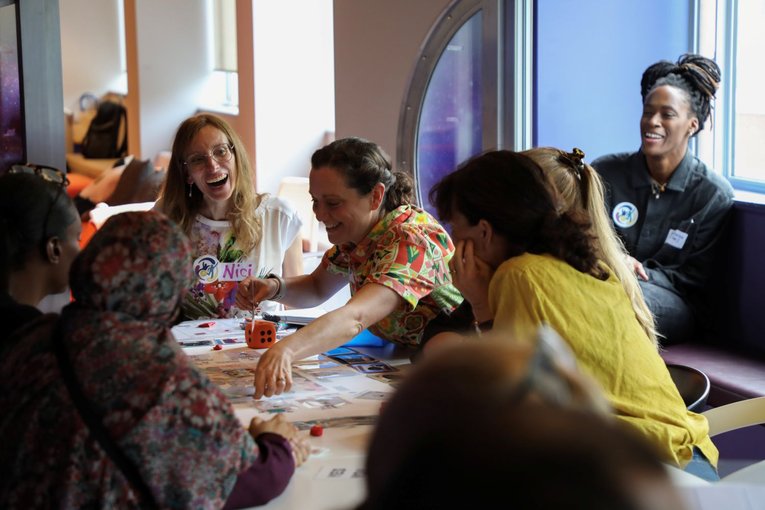
GOSH families at the heart of major £6m project to improve support for children with complex needs
Children, young people and families from GOSH will help shape a major new research programme
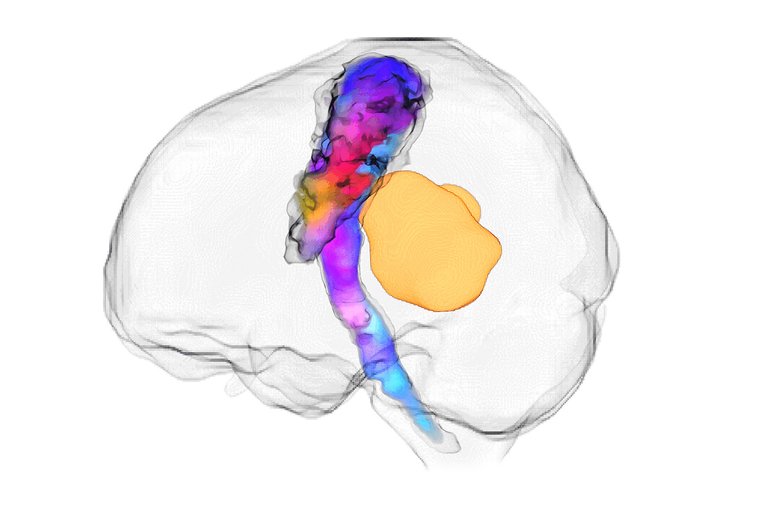
New Fellowship to develop the next generation of paediatric neuro-oncology specialists
The Tessa Jowell Brain Cancer Mission has launched it's first Paediatric Neuro-Oncology Fellowship, to support the development of specialists caring for children with brain cancers
Thousands join world-first trial to save lives of critically ill children
Some of the sickest children in the UK have started to join an innovative clinical trial designed to improve the survival and recovery of children requiring intensive care treatment, led by GOSH.