
https://www.gosh.nhs.uk/news/gosh-creates-organ-donation-song/
GOSH creates organ donation song
6 Sep 2018, 11:04 a.m.
Right now across the UK, there are approximately 150 children on the Transplant List.
Forty of those are Great Ormond Street Hospital (GOSH) patients needing heart, lung and kidney transplants.
GOSH is a national transplant centre, with a leading role in providing paediatric transplant care for children from all over the UK. This Organ Donation Week, the hospital is urging families across the country to talk more often and more openly about organ donation in order to help save young lives.
To raise awareness this #OrganDonationWeek, GOSH staff, patients and families got together with Singing Hands, who regularly sing with GOSH patients, to make this amazing music video, singing and signing to the Disney song ‘You’ll Be in My Heart’.
While many children could receive an organ donation from an adult, for some, a young donor is their only hope. This means that seriously ill children waiting for a transplant are reliant on a family willing to donate their child’s organs.
For more information and advice about organ donation, please visit organdonation.nhs.uk
World-first same-day metagenomics for children can detect hidden infections in intensive care
GOSH has successfully implemented a pioneering same-day respiratory metagenomics testing service for children in intensive care, helping clinicians identify infections more quickly and make better-informed treatment decision
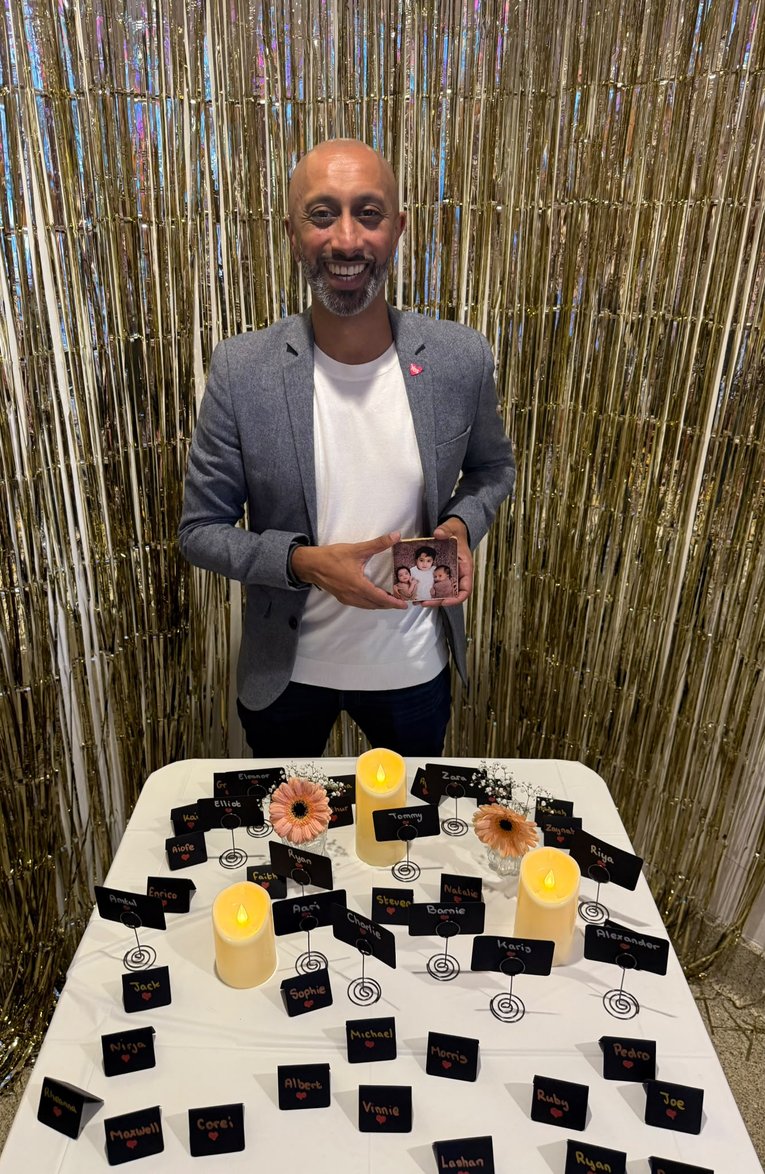
Celebrating the gift of organ donation
During Organ Donation Week 2026, GOSH hosted its first Donor Family Tea Party, bringing together families whose children gave the extraordinary gift of life through organ donation.

Postponed - Road closure: Great Ormond Street
Postponed: There will be a partial closure of Great Ormond Street between 4am on Wednesday 21 and 10pm on Thursday 22 October.
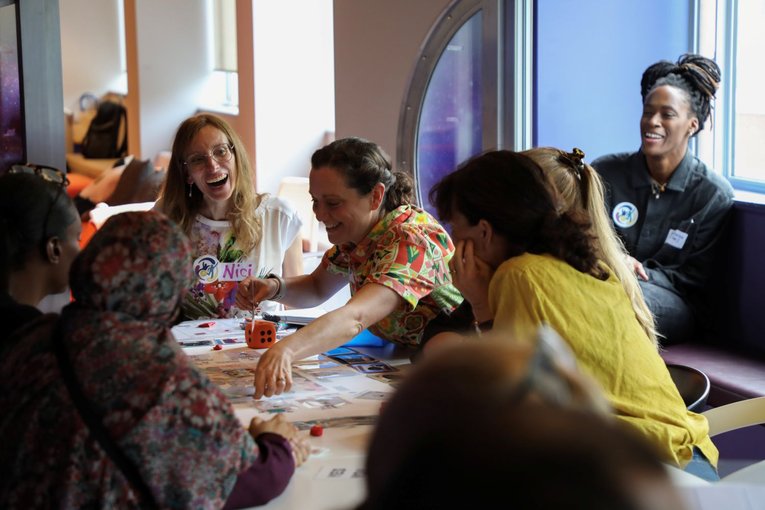
GOSH families at the heart of major £6m project to improve support for children with complex needs
Children, young people and families from GOSH will help shape a major new research programme